
Sourcing & Handling
Research Notes
Practical guidance on sourcing, verifying, receiving and storing research materials — written for the people who handle them.
money and procurement
 Budgeting for a Consignment: How to Calculate Landed Cost for Imported Research MaterialsThe supplier's price is often less than half of what an imported consignment costs by the time it reaches the bench. A worked table, the lines people miss, and how to present the figure.
 Customs Brokers and Clearing Agents: When You Need One, and What They Cannot Do for YouA licensed clearing agent lodges the declaration on your behalf. Responsibility for what it says, and for the duty it produces, stays with you.
 Import Duty and VAT on Research Materials: What Each Country Charges and What Exemptions RequireDuty, import VAT and clearance charges are three separate bills. Research status removes none of them automatically; relief exists only as specific items in the law, usually approved before the goods arrive.
 Institutional Procurement: How a University Buys Laboratory Supplies, from Quotation to PaymentA public university does not simply buy; it procures, through a sequence set in statute. A supplier who knows the sequence gets paid. One who does not is rejected at the stage they skipped.
 Paying for Imported Reagents: Currency Rules, Bank Limits and the Documents Banks Ask ForA payment to an overseas supplier is a foreign-exchange transaction, and the bank that sends it is enforcing its country's rules. Plan the payment before the order, not after the invoice.
local consumables and water
 Building a Consumables Buffer Against StockoutsOne missing box of filters stops work as completely as a missing compound. Which consumables deserve a reserve, how large it should be, and how to know when to reorder without software.
 Distilled, Deionised or Purified: What Is Actually Being SoldThe three words describe three different processes, and on a local shop shelf they often describe none of them. How to decode the label, check the bottle, and decide what it is good for.
 Sourcing Bacteriostatic Water in African Markets: Routes, Registers and SubstitutionsIt is a registered medicine rather than a laboratory reagent, so availability follows the medicines supply chain — and the real work is confirming that the pack is what its label says.
 Sourcing Filters, Syringes and Labware Locally: What You Can Buy and What You Must ImportThe medical supply chain stocks syringes and gloves almost everywhere; laboratory-specific items usually have to come in from outside. Knowing which is which is most of the job.
 Reconstitution Water Where Type I Is Not Available: Sourcing and Assessing a SubstituteWhere no laboratory-supply chain delivers ultrapure water, the decision is about what can be obtained, what its label can be shown to mean, and how it is kept once opened.
more regulators and routes
 Importing Research Materials into Egypt: What the EDA Publishes and What It Does NotEgypt's Drug Authority publishes detailed procedures for registering medicines and importing devices, and very little on research materials. Plan around what can be sourced, and ask the Authority for the rest.
 Importing Research Materials into Ghana: The FDA Import PermitGhana's Food and Drugs Authority issues an import permit, not a clearing permit, and it has to be approved before the consignment lands. Everything else follows from that.
 Importing Research Materials into Tanzania: TMDA Registration and the Import PermitIn Tanzania the premises, the importer and ordinarily the product are registered before a permit is even requested — and laboratory chemicals answer to a second authority altogether.
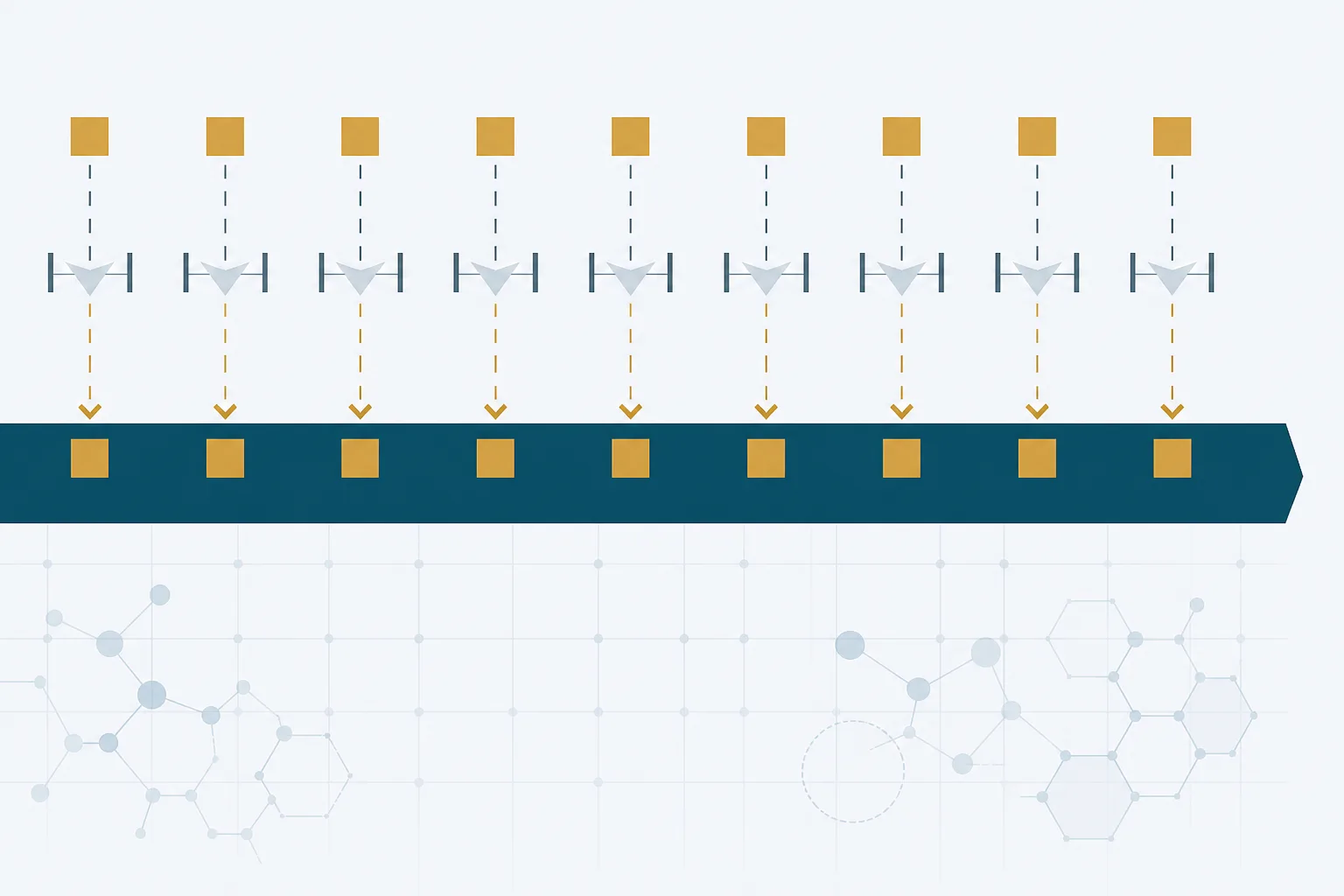 Importing Research Materials into Uganda: The NDA Licence and Verification CertificateUganda's National Drug Authority works in two layers: a licence for the importer that expires with the calendar year, and a verification certificate for every consignment before it ships.
 The East African Single Dossier and What It Means for BuyersOne dossier, one joint review by seven regulators, then a registration decision in each country. The EAC route changes which products are registered — not how a consignment clears the border.
the last mile and heat
 Road Freight and Cross-Border Trucking: Corridors, Border Posts and the Heat in BetweenWhen a consignment moves by truck rather than by air, the border post — not the road — decides both the delay and much of the heat exposure. What the corridor measurements show, and when to insist on air.
 The Final Forty-Eight Hours of a Shipment: Where the Heat Actually HappensTransit time tells you how long a parcel travels. This is about the conditions it travels in — and for most consignments the heat arrives after landing, in holding areas, depots and delivery vans that nobody records.
 Timing Orders Around Peak Heat: An Annual Ordering Calendar for African ShipmentsThe hottest weeks of the year are known in advance and differ sharply by region. Ordering around them costs nothing but planning — provided you weigh it honestly against the cost of holding stock for longer.
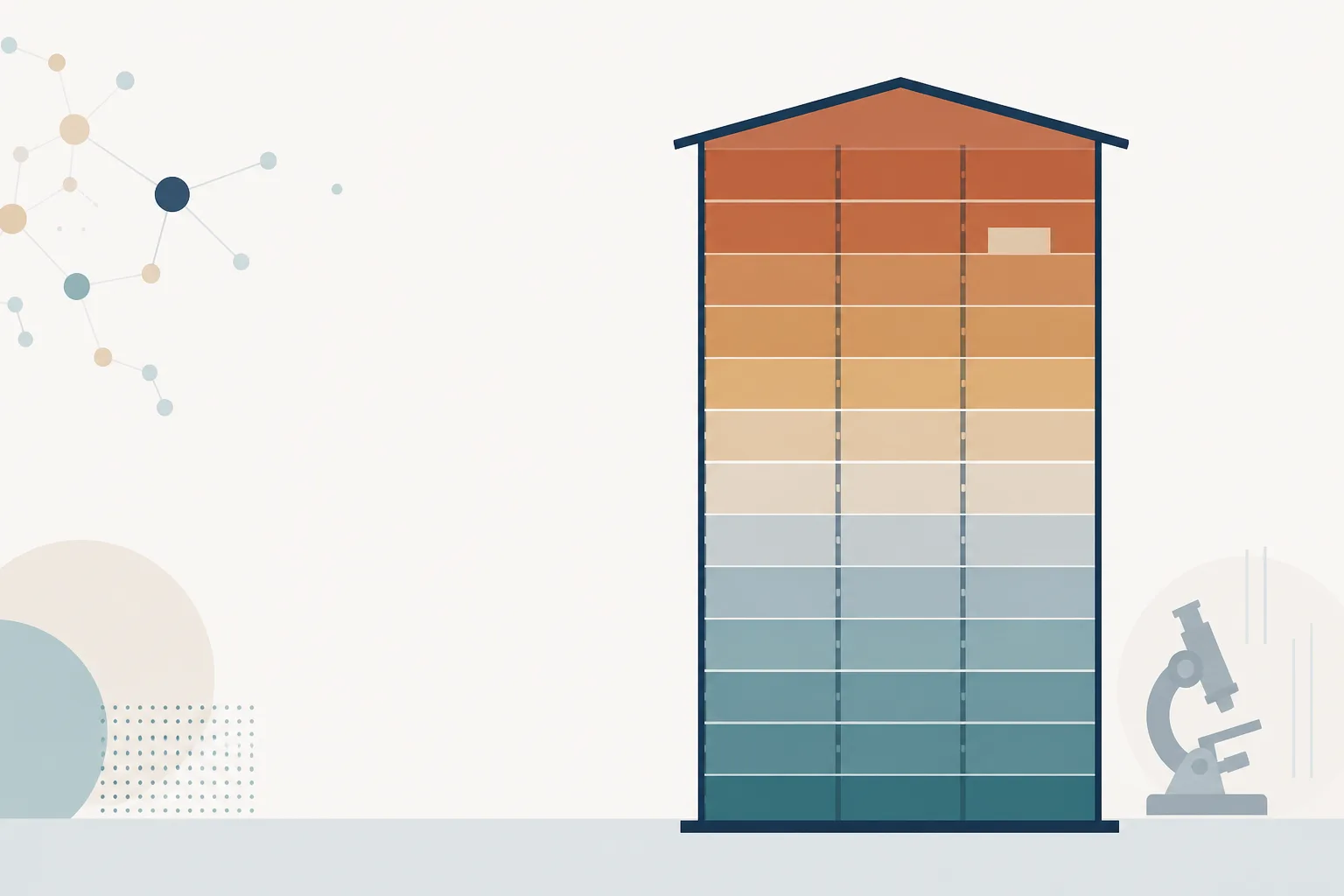 Warehouse and Depot Conditions in Transit: What a Parcel Sits In Between ScansA sorting facility is built for conveyors, vehicles and people, not for the temperature of your parcel. What that means in a hot month, what a carrier will and will not tell you, and how to write the transit record afterwards.
 What a Temperature Logger in the Box Tells You — and What It Does NotA threshold indicator, a recording logger and an integrator answer three different questions. Reading the one in your box correctly is a separate job from deciding what to do about the result.
country regulators and the african last mile
 How a Parcel Actually Moves: Courier Hubs, Routings and Why Two Neighbouring Countries Differ by a WeekTransit time is not a function of distance — it is the sum of linehaul frequency, gateway status, clearance category and second-agency sign-off, and two countries sharing a border can differ on every one of them.
 Delivery to an Address That Isn't on the Map: Pickup Points, Geolocation and the Phone CallWhen the address field cannot describe where you are, the fix is not a longer description — it is a named collection point, a coordinate that can be read aloud, and a number that gets answered.
 Importing Research Materials into Kenya: PPB, KEBS and Pre-Export VerificationThree separate bodies can stop a consignment at the Kenyan border, and only one of the three approvals can still be obtained once the goods have left the exporter.
 Importing Research Materials into Nigeria: The NAFDAC Chemical Import PermitThe permit is a company instrument gated on an inspected warehouse, it has to exist before the order ships, and which NAFDAC directorate issues it depends on how your material is classified.
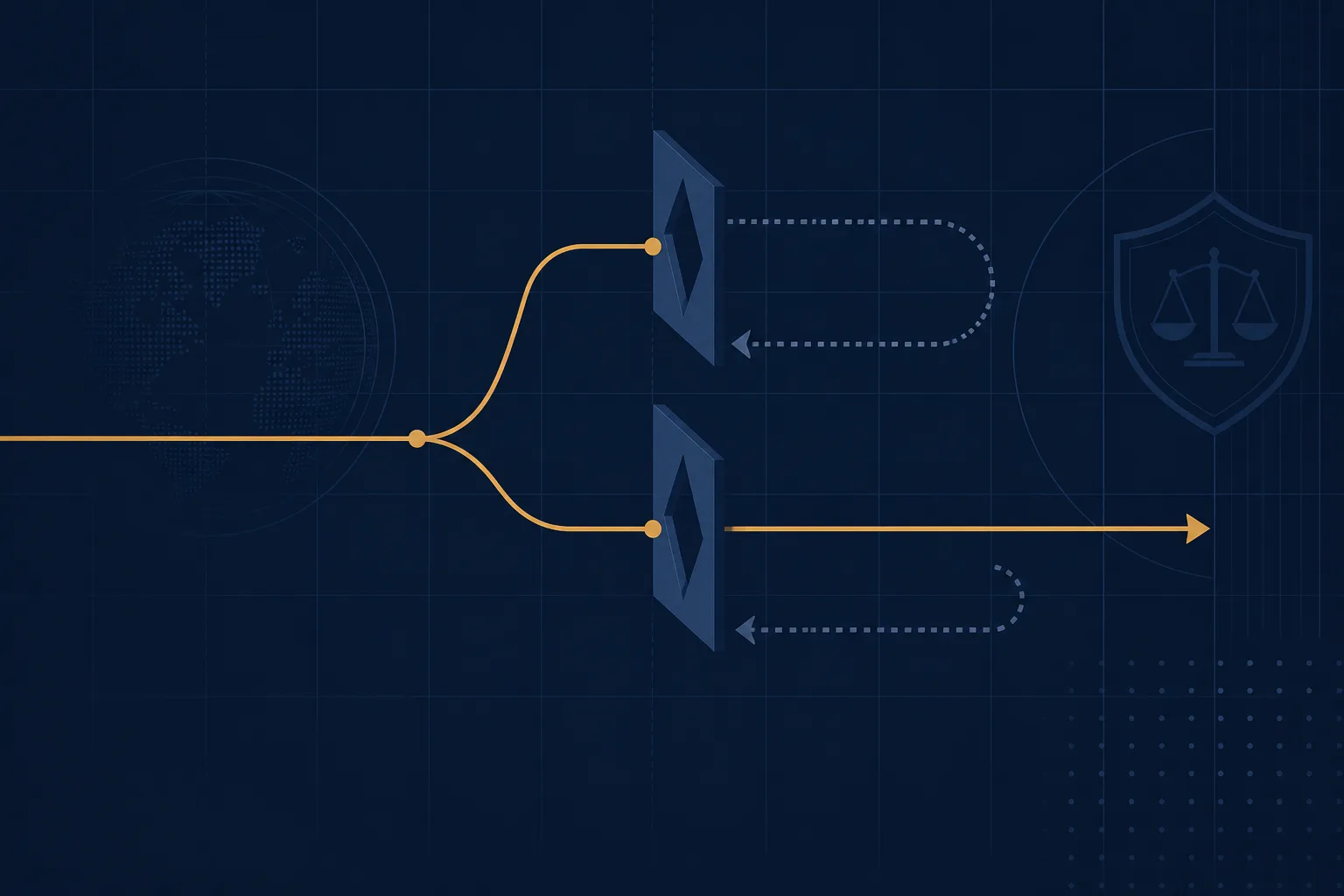 Importing Research Materials into South Africa: SAHPRA, SARS and the Zero De MinimisTwo authorities have to be satisfied and they ask different questions — one decides whether the material may enter at all, the other decides what is owed on it, and neither has a value threshold that makes a small parcel invisible.
tropical and arid climate stability
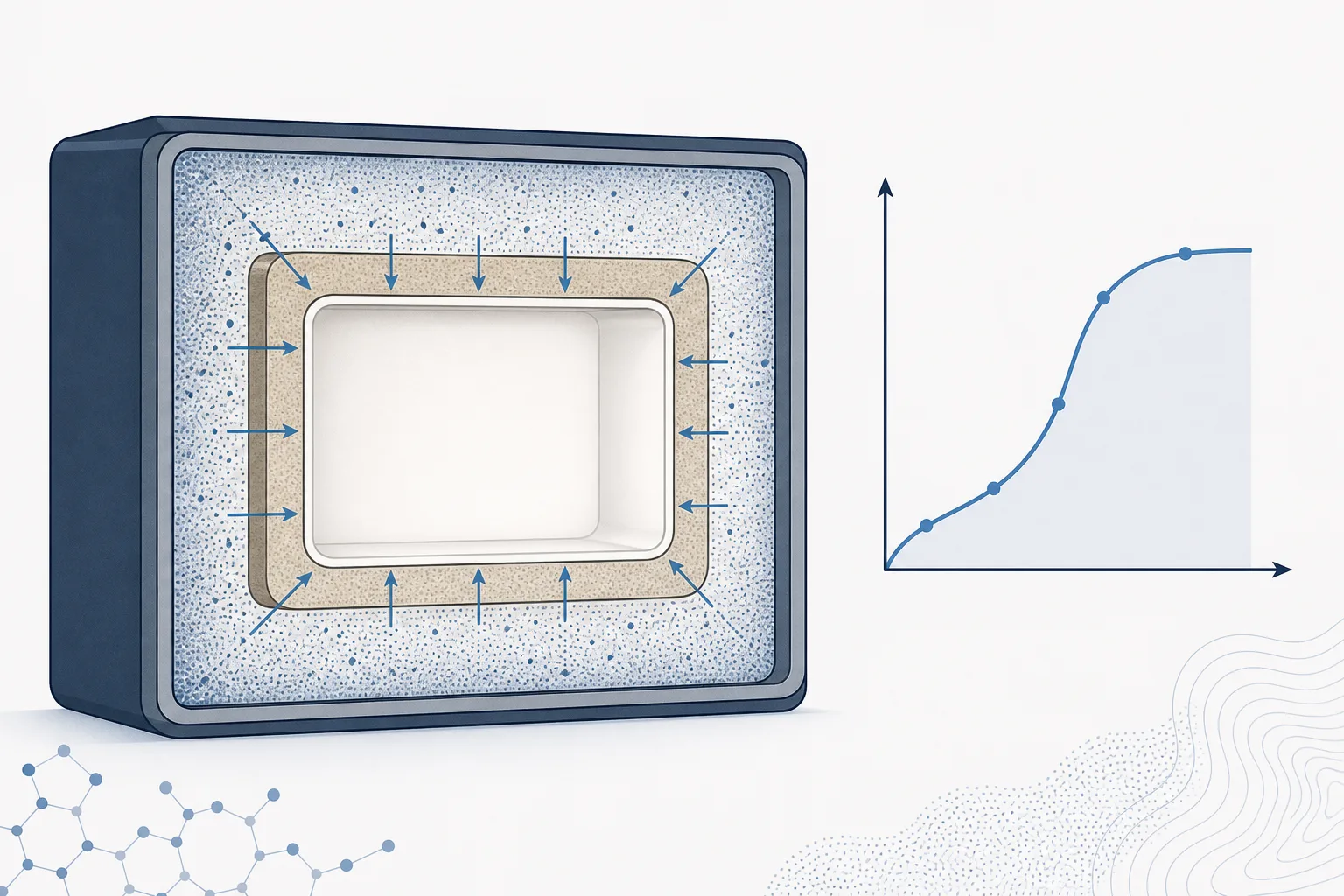 Desiccants and Secondary Containment: Building a Dry Box Where the Air Is 80% RHYou cannot dehumidify a storeroom on an unreliable grid, but you can seal a box inside it — here is how the barrier, the desiccant and the indicator are specified.
 Harmattan and the Dry Season: Dust, Sub-5% Humidity and Wide Diurnal SwingsThe harmattan moves three storage variables at once — particulate load, humidity and day-to-night temperature amplitude — and the one everybody worries about is the least dangerous of the three.
 Humidity and the Lyophilised Cake: Collapse, Clumping and What a Wet Vial Looks LikeWater plasticises an amorphous cake until its glass transition falls below the temperature of the room — which is why humidity, not heat, decides how lyophilised material survives a tropical store.
 ICH Climatic Zones IVa and IVb: What "Store at Room Temperature" Actually Means in Africa"Room temperature" is a pharmacopoeial specification anchored to a mean kinetic temperature, not a description of your room — and across most of the continent the two diverge.
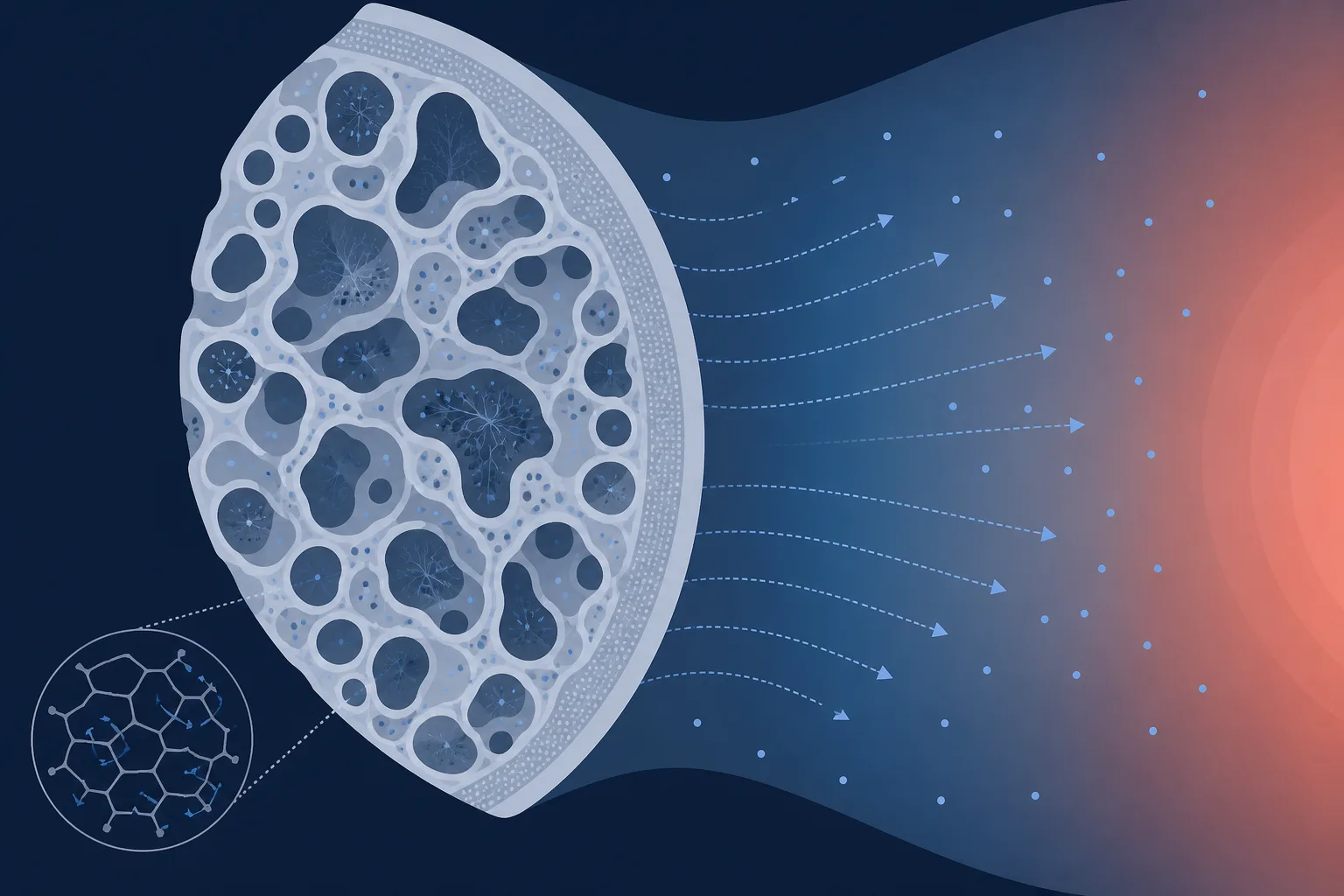 Storing Lyophilised Vials in a 30–40 °C Room: What Ambient Storage Costs YouA sealed, dry cake tolerates heat far better than any solution does — but a hot room is not the storage condition your certificate describes, and the cost is paid in moisture, in unquantified shelf life, and in a record you cannot rebuild later.
cold storage on an unreliable grid
 Holdover Time: How Long Cold Storage Coasts Without Power, and How to Extend ItHoldover is a measurable property of your cabinet in your room, and most of it is decided by what is sitting on the shelves rather than by the insulation around them.
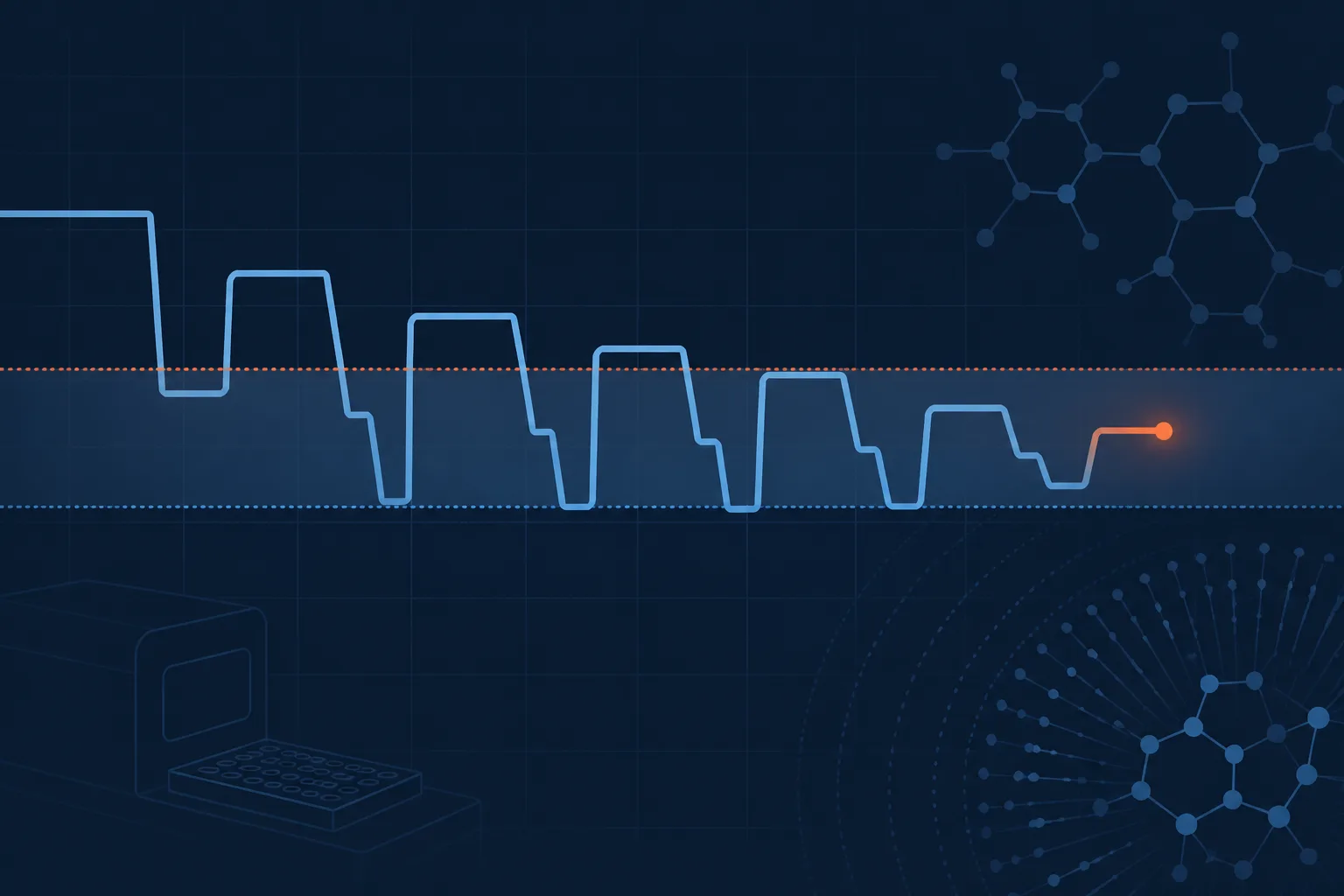 Load-Shedding and Laboratory Cold Storage: What Stage 6 Does to a −20 °C FreezerA single four-hour outage rarely costs you anything; the interruption pattern, the room temperature and the missing temperature record do.
 After the Outage: Using Mean Kinetic Temperature to Judge Whether Material Is Still SoundMean kinetic temperature answers a narrower question than most people ask of it, and on a grid that sheds twice a week the honest answer it returns is usually about the store room rather than the material.
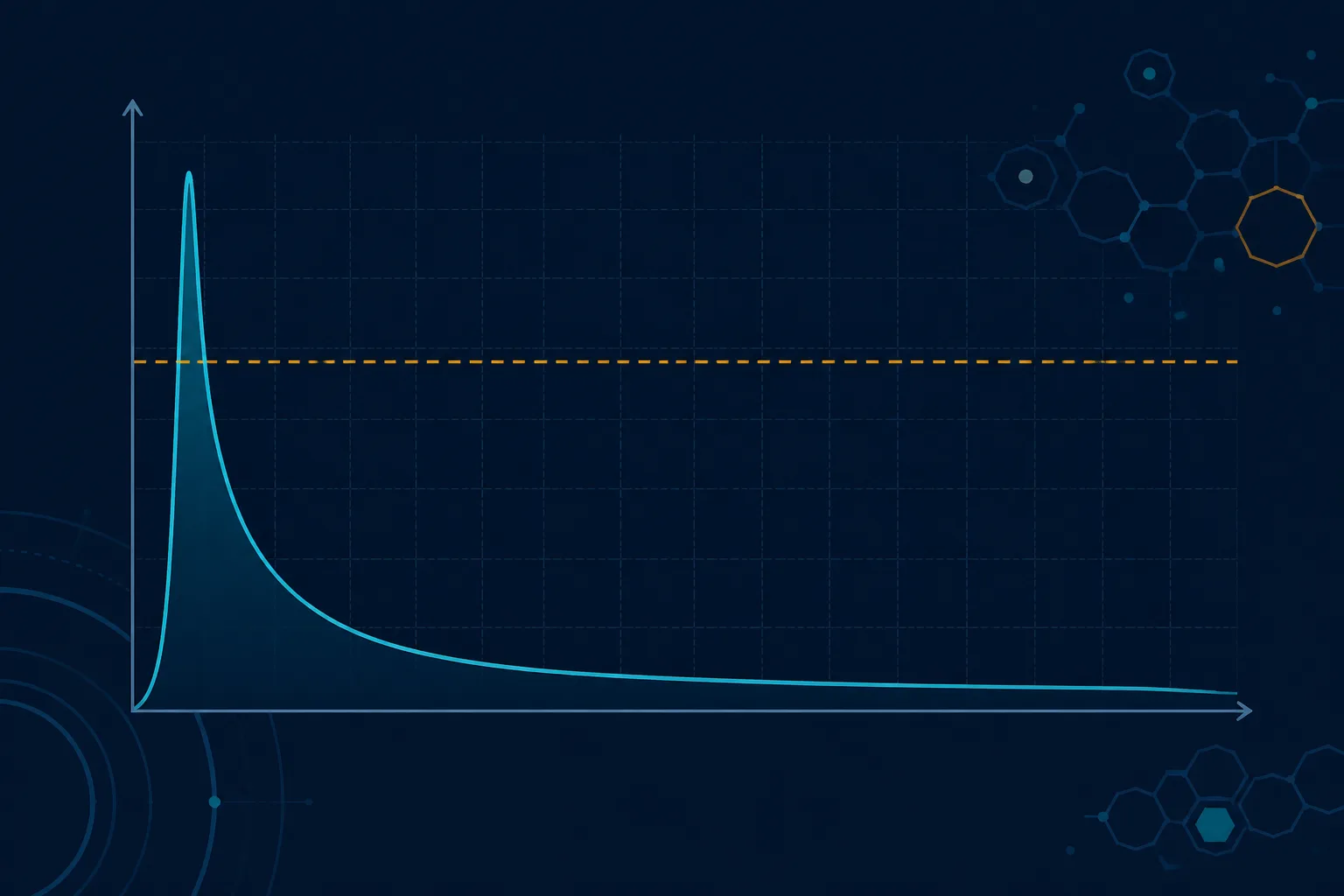 Sizing an Inverter or UPS for a Lab Fridge: Startup Surge, VA vs Watts, and RuntimeThree numbers decide whether backup power actually carries a refrigerator: the surge volt-amperes at compressor start, the continuous watts once running, and the watt-hours the battery has to return.
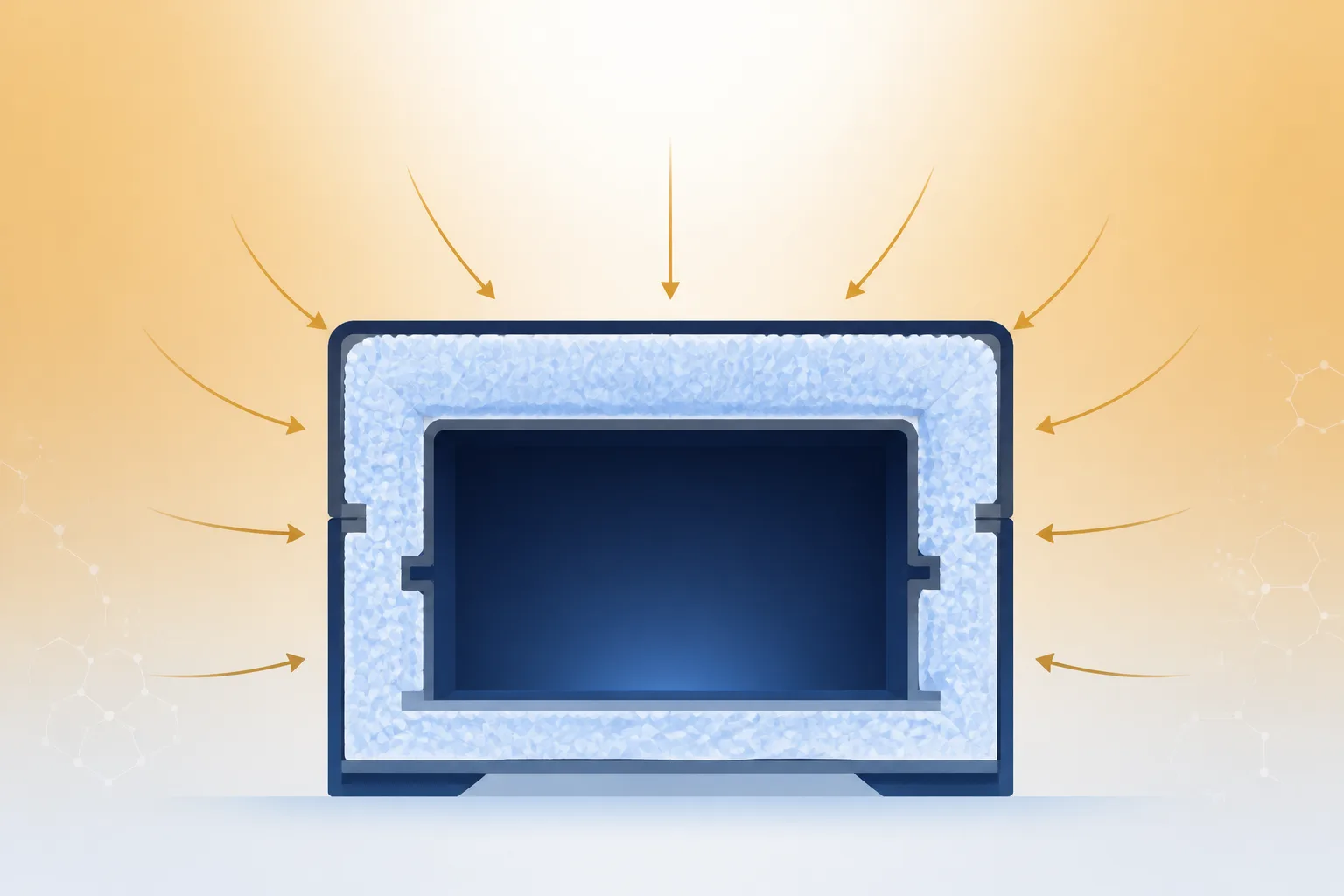 Borrowing the Vaccine Cold Chain: Solar Direct-Drive and Ice-Lined RefrigeratorsImmunization programmes already solved the problem of holding a temperature band in a 40 °C room on a grid that fails — and they publish the test figures to prove it.
research capability without full infrastructure
 Climate Class SN, N, ST, T: Why an Imported Fridge Fails in a 38 °C RoomThe letter on the rating plate is a tested ambient range, not a marketing tier — and the two commonest classes stop at 32 °C.
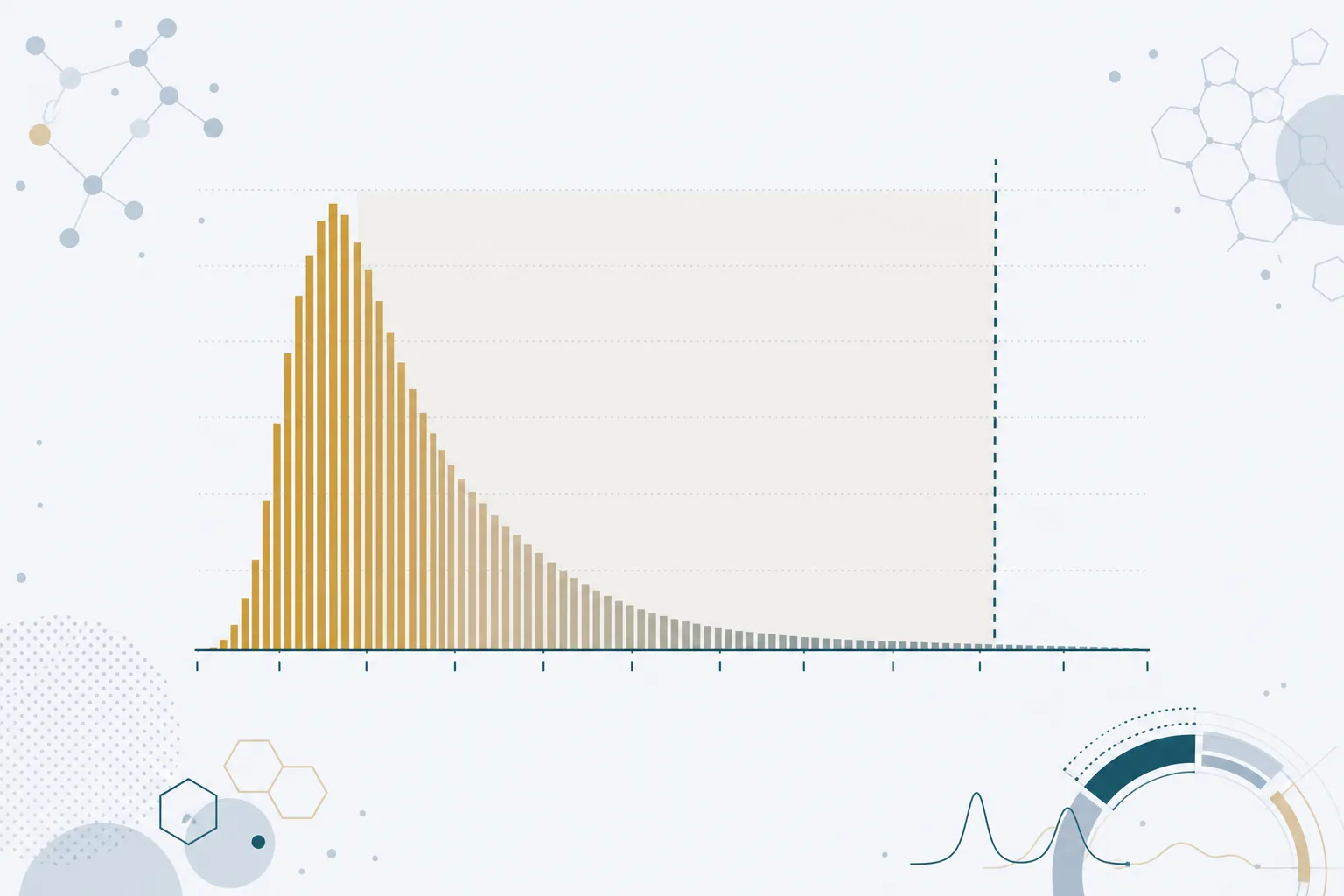 Planning Around a Six-Week Lead Time: Buffer Stock and Order CadenceThe average arrival date is the wrong number to plan against; the spread between your typical and your worst arrival is what decides how much has to be on the shelf already.
 Material Transfer Agreements: When One Is Needed to Move Material Between InstitutionsThe test is not distance and not value — it is whether tangible material is crossing a boundary between two legally distinct institutions without a sale taking place.
 Where Peptide Work Actually Happens in Africa: Centres, Instruments and AccessThe scarce thing is not chemists or bench space — it is a working mass spectrometer with a service engineer behind it, which is why peptide work on this continent concentrates in shared facilities you book rather than equipment you own.
 Working Without a −80: What −20 °C Storage Costs You, and When It Doesn't MatterThe pharmacopoeias define a freezer as −25 °C to −10 °C and never define an ultra-low category at all, which makes −20 °C the default and −80 °C the exception that has to be justified — and paid for, in a room that can hold it.